
Schedule Service
Snell Automotive

Why Your Car Battery Keeps Dying: Parasitic Drain Explained

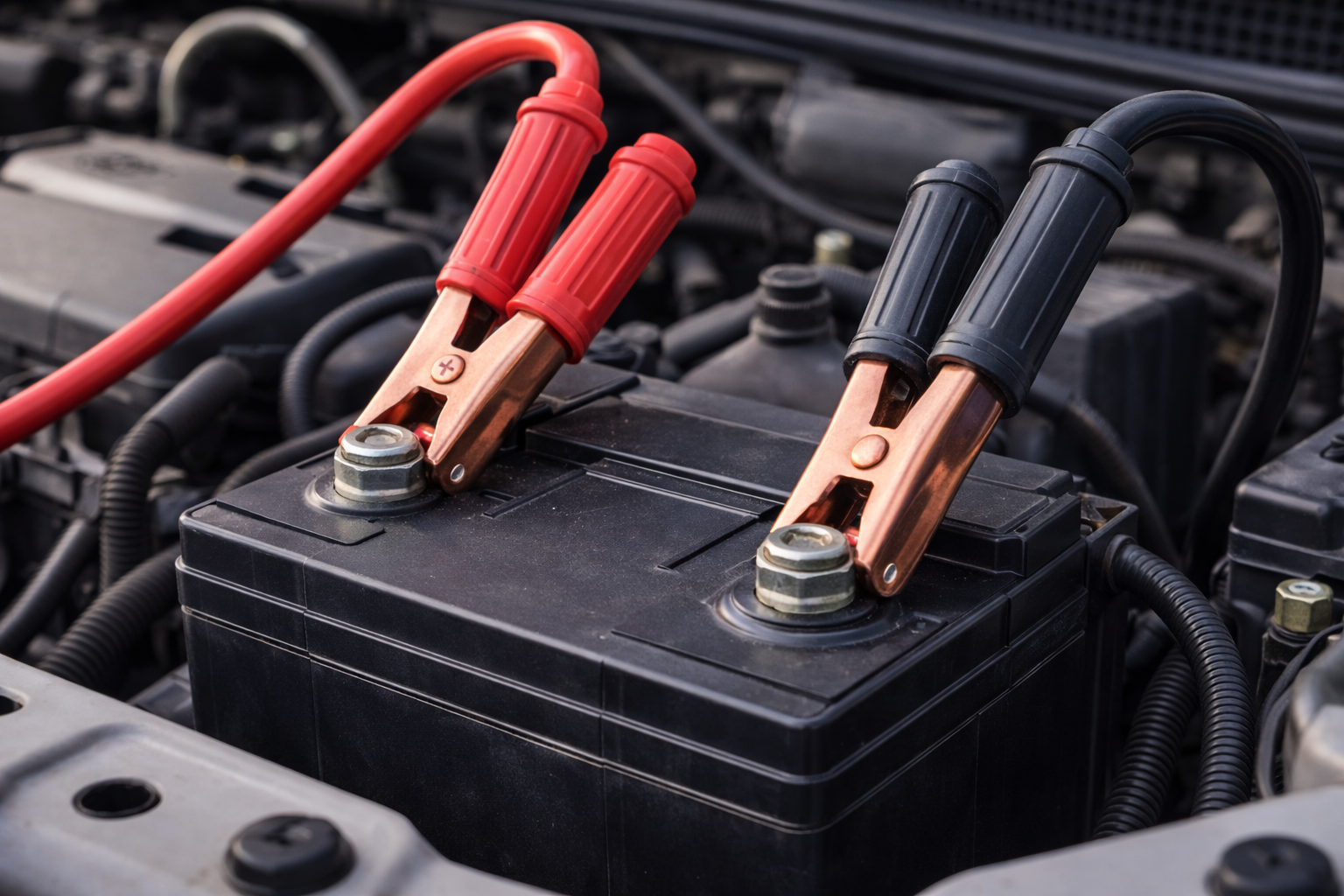
You parked it last night with no problems. This morning the car is completely dead. No lights, no click, nothing. You jump it, it starts, you drive around for 20 minutes, park it again. Tomorrow morning — same thing. Dead battery.

If this cycle sounds familiar, you have what mechanics call a parasitic drain: something in the car is drawing power from the battery after you lock up and walk away. It's one of the more frustrating electrical problems to diagnose because the culprit can be almost anything with a wire attached to it.

What Normal Parasitic Drain Looks Like

Not all after-key-off current draw is a problem. Modern vehicles are designed to draw some current constantly — the clock keeps ticking, the security system watches for intrusion, the ECU maintains adaptive memory, the telematics module stays connected. A healthy modern car typically draws between 25–50 milliamps after everything has gone to sleep (usually 10–30 minutes after shutdown).

A parasitic drain problem exists when that draw is significantly higher — typically above 80–100 milliamps — or when a module that should sleep doesn't. A module stuck in an active state can draw 200–400 milliamps continuously, which will flatten a healthy battery in 24–72 hours depending on battery capacity.

What Causes It

The list of potential culprits is genuinely long. In order of how often we find them at Snell:

  • Aftermarket accessories — poorly wired dash cams, audio amplifiers, GPS trackers, or remote starters that were installed without proper fusing or relay switching. These are the most common source we find.
  • Stuck relays — a relay that welds itself in the closed position keeps power flowing to a circuit that should be off. The trunk light relay, fuel pump relay, and HVAC blower relay are frequent offenders.
  • Module communication fault — one module that won't go to sleep keeps the entire CAN bus network awake, preventing every other module from entering low-power mode
  • Weak door or trunk latches — a door that isn't fully latched keeps the interior lighting circuit active; same with trunk or hood switches
  • Faulty body control module — a BCM malfunction can prevent the normal sleep sequence
  • Corroded or loose ground connections — Memphis humidity does a number on ground straps; a bad ground creates resistance that some circuits interpret as "stay active"

"We had a truck in here last year — dead battery every three days, no pattern anyone could see. Spent two hours with the ammeter. Pulled fuses one at a time. Finally found a $20 aftermarket alarm module someone had installed five years earlier that nobody remembered. It had a relay that was drawing 300 milliamps all the time. Owner had replaced his battery twice before coming to us."

Greg Baumgarten, Lead Technician — on tracking down an elusive parasitic drain

How Parasitic Drain Gets Diagnosed

The diagnostic process is methodical. There's no shortcut that works reliably — you have to measure and isolate:

Step 1 — Baseline measurement. Connect a digital ammeter in series with the battery's negative cable. Wait for all modules to sleep (10–30 minutes; some vehicles with finicky modules take longer). Record the total draw.

Step 2 — Fuse isolation. Pull fuses one at a time from the underhood and interior fuse boxes while watching the ammeter. When pulling a fuse causes the draw to drop significantly, you've identified the circuit responsible.

Step 3 — Circuit tracing. Within the identified circuit, trace the wiring to find the specific component causing the draw. This requires a wiring diagram and sometimes a thermal camera (components drawing current get warm).

The total process can take 1–3 hours depending on how many fuse boxes the vehicle has and how buried the wiring is. At $95/hr labor and a $89.95 diagnostic fee, thorough parasitic drain diagnosis runs $180–$380 in labor — less than replacing the battery a third time and still having the problem.

The Memphis Humidity Complication

Humidity in Memphis — particularly the wet spring months and the muggy late summer — accelerates connector corrosion. Corroded connectors create resistance that shows up as inconsistent drain: fine for two weeks, then three dead batteries in a row. The corroded connection is in a state where temperature and humidity cause it to conduct intermittently rather than cleanly.

This is why we inspect connectors physically, not just test circuits electrically. A connector that passes continuity at 70°F in the shop may fail at 90°F in a parking lot.

After the Diagnosis: What Comes Next

If a weak battery has been repeatedly deep-discharged by the drain, it may need replacement even after the drain is fixed. Deep discharge (below 10.5 volts under load) damages battery plates. A battery that's been killed and jumped five times is not the same battery it was before — even if the original problem was never the battery at all.

We'll test the battery's condition after fixing the drain and give you an honest assessment. If it's recoverable with a conditioning charge, we'll do that. If the plates are damaged, we'll tell you — and the battery replacement quote will be separate from the diagnostic work.

Schedule a parasitic drain diagnosis or call (901) 388-7390. We're on Appling Way in Memphis — open Monday through Friday, 8 to 5.

Sources & Further Reading

Article by Sherry Snell

Sherry Snell

Sherry Snell is the owner and office manager of Snell Automotive, a family-owned auto repair shop serving Memphis since 1974. With over 30 years of experience, she oversees daily operations, customer relations, scheduling, and office management — ensuring every customer receives honest, reliable service. Known for her attention to detail and commitment to transparency and quality, Sherry is a trusted and familiar presence who plays a vital role in the continued success of Snell Automotive.

Snell Automotive

Get in Touch