
Schedule Service
Snell Automotive

Transmission Slipping, Hard Shifts, or Delayed Engagement Explained

Transmission slip is one of those problems that starts subtle — a momentary hesitation on a highway merge, a strange pause when you pull out of a parking lot — and then gradually gets worse until the car is doing something obviously wrong. By the time most Memphis drivers recognize it clearly enough to describe it, the transmission has been working against itself for weeks or months.

Knowing what slip actually feels like, and what's causing it, can be the difference between a repair and a rebuild.

What "Slipping" Actually Means

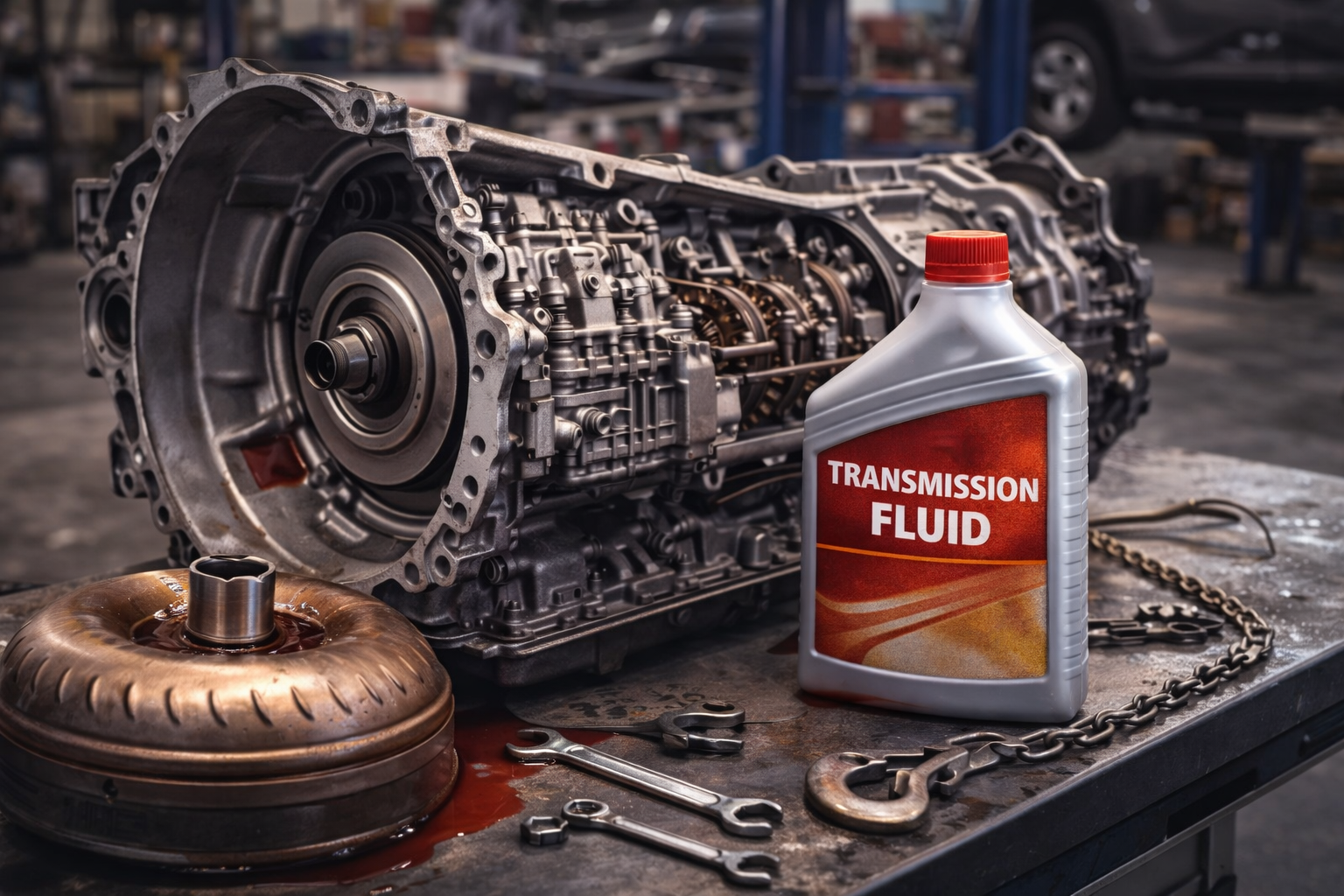
A slipping transmission is one that's failing to maintain a solid mechanical connection between the engine and the drivetrain. The engine is producing power — the RPMs go up — but that power isn't reaching the wheels in the way it should. The car feels like it's working harder than it's moving, or like something momentarily disconnects and reconnects during acceleration.

In an automatic transmission, this usually means clutch packs or bands are worn, the hydraulic pressure that holds those components engaged is insufficient, or fluid is degraded to the point it can't maintain proper clutch engagement. In a manual, slip almost always means a worn clutch disc that's losing its grip on the flywheel.

"When someone tells me the car feels like it's in neutral for a second during acceleration, I know exactly what I'm looking at before I even get it on the lift. That hesitation is the clutch pack releasing when it shouldn't. The question is whether we're dealing with a fluid and pressure issue or actual mechanical wear — that determines whether we're doing a service or a rebuild."

Greg Baumgarten, Lead Technician — 20+ years reading Memphis transmissions

The Signs to Watch For

Slip presents differently depending on the vehicle and the severity of the underlying problem. The common thread is that the engine and the car's movement feel disconnected.

  • RPMs surge without acceleration — engine revs climb but the car doesn't speed up proportionally
  • Delayed engagement from a stop — pause between selecting Drive and the car moving
  • Sudden neutral sensation on the highway — brief loss of drive, especially under load like a hill or I-240 grade changes
  • Rough or lurching gear changes — abrupt transitions instead of smooth shifts
  • Check engine or transmission warning light — modern transmissions have sensors; slip often triggers codes
  • Burning smell — friction materials overheating because the clutch isn't fully engaging

Memphis Heat Compounds Everything

Transmission fluid is already fighting a battle in Memphis summers. Fluid that operates at 95°F ambient temperature for months on end degrades faster than the manufacturer's maintenance schedule — written for an average climate — anticipates. When fluid breaks down, it loses its ability to maintain hydraulic pressure in the clutch circuits. Clutches that were marginal in cooler conditions start slipping under heat stress.

This is why we see a spike in transmission complaints every summer. The car that was shifting a little rough in February is slipping on I-40 in August. The Memphis climate is a stress test that reveals what's wearing before it would show up elsewhere.

What the Repair Actually Involves

The diagnostic determines whether the problem is fluid-based or mechanical. A transmission that's slipping because of degraded fluid and low pressure may respond to a fluid service and pressure test. A transmission with worn clutch packs or bands needs internal work.

Depending on extent of wear, options include:

  • Fluid service + pressure test — if fluid is the root cause and no mechanical damage has occurred
  • Valve body service or replacement — if pressure regulation is the issue
  • Transmission rebuild — when clutch packs, bands, or hard parts are worn; typically $1,800–$3,500 depending on vehicle
  • Remanufactured transmission — sometimes more cost-effective than a rebuild on older or high-mileage vehicles

The worst thing you can do is continue driving a slipping transmission. Every mile adds friction wear to components that are already failing. What starts as a clutch pack issue becomes bearing damage. What starts as a hydraulic pressure problem becomes physical destruction of the valve body. The repair bill grows with every delay.

When to Call Us

If your transmission has slipped even once — one unexplained surge, one moment of neutral while you were in Drive — schedule a diagnostic. Our fee is $89.95 and we'll tell you clearly what's happening and what it'll cost to fix it.

Schedule online

call (901) 388-7390

Catching this early is always cheaper than waiting.

Article by Sherry Snell

Sherry Snell

Sherry Snell is the owner and office manager of Snell Automotive, a family-owned auto repair shop serving Memphis since 1974. With over 30 years of experience, she oversees daily operations, customer relations, scheduling, and office management — ensuring every customer receives honest, reliable service. Known for her attention to detail and commitment to transparency and quality, Sherry is a trusted and familiar presence who plays a vital role in the continued success of Snell Automotive.

Snell Automotive

Get in Touch